Table of Contents
There are moments in technology when progress does not arrive loudly. It does not demand attention through spectacle or disruption. Instead, it settles into daily life so seamlessly that its presence feels inevitable rather than new. BMW’s latest move, integrating Amazon Alexa into its vehicles, belongs firmly to this category of innovation.
At first glance, voice assistants in cars are nothing new. Drivers have spoken to navigation systems and onboard computers for years, often with mixed results. Commands were rigid, phrasing had to be exact, and the interaction felt more like programming than conversation. What BMW is doing now signals something different, a shift from command-based interaction to natural dialogue, and from mechanical response to human-centred intelligence.
By bringing Amazon Alexa directly into the BMW driving experience, the German marque is transforming the relationship between driver and machine.
From Buttons to Behaviour
BMW has long positioned itself as a brand that obsesses over the driver’s experience. Its interiors are studied in ergonomics, its controls deliberate in placement, and its driving philosophy grounded in feedback and precision. The introduction of Alexa builds on this legacy, but in a way that is less visible and more behavioural.
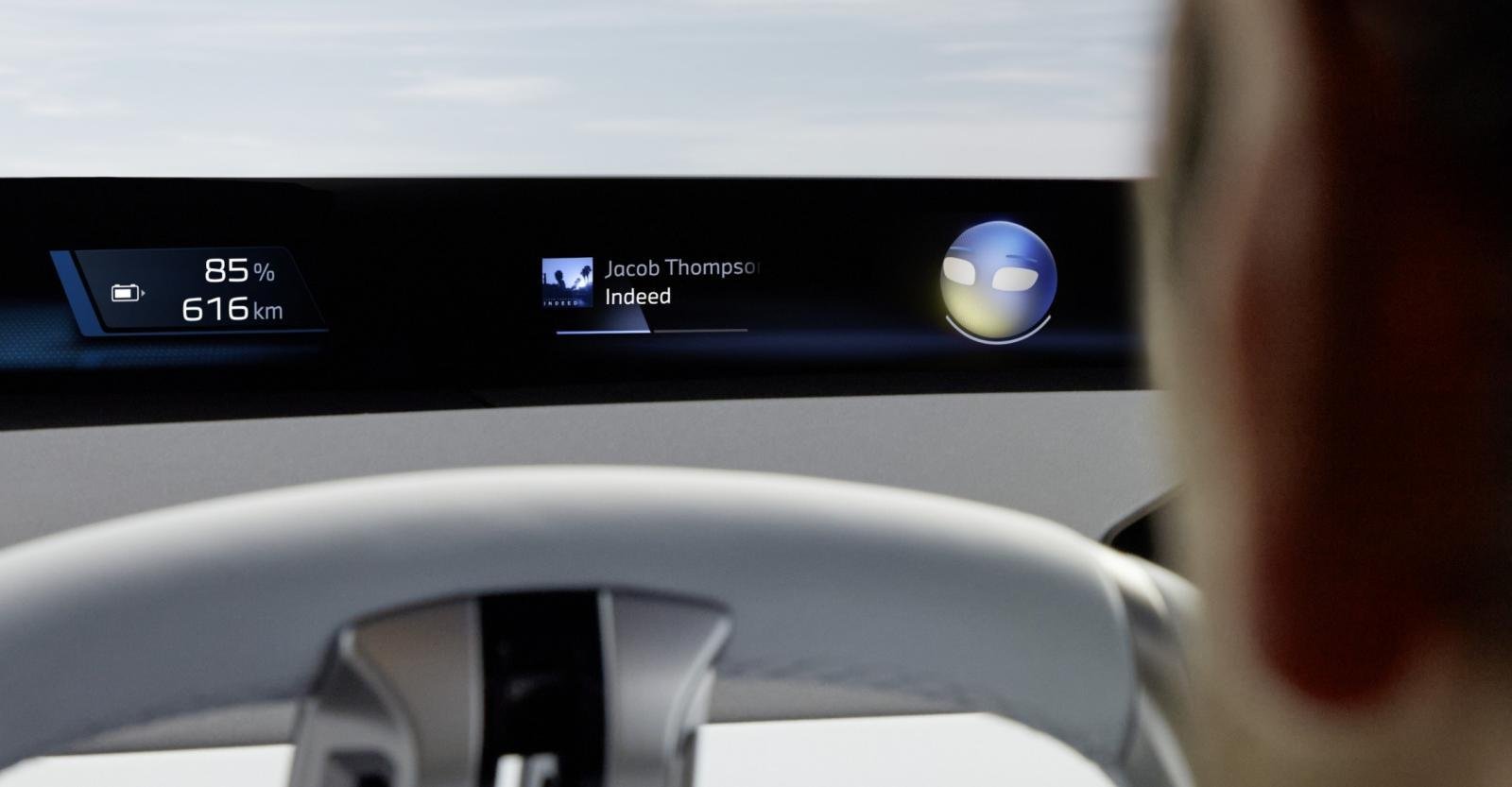
Rather than navigating menus or memorising phrasing, drivers can now speak as they would at home. Asking for directions, adjusting climate settings, controlling entertainment, or checking information happens conversationally. The technology responds to intent, not syntax.
This matters because it reflects a deeper understanding of luxury today. True luxury is not about excess, but about effortlessness and removing friction from moments that should feel intuitive. In this context, Alexa becomes less of a gadget and more of a presence, supporting the rhythm of a journey without interrupting it.
Why BMW, Why Now
BMW’s decision to integrate Alexa comes at a pivotal moment for the automotive world. Cars are no longer evaluated solely on horsepower or design, they are assessed as digital environments. The cabin has become a living space, a workspace, a private retreat, and sometimes a social hub.
As vehicles become increasingly connected, drivers expect continuity between their digital lives and their physical ones. The same voice that sets reminders at home, controls lighting, or curates music playlists can now travel with them on the road. This continuity removes the psychological divide between home and car, creating a unified experience rather than a fragmented one.
For BMW, partnering with Amazon allows access to one of the world’s most advanced voice ecosystems, without compromising its own brand identity. The assistant integrates into BMW’s existing interface rather than replacing it. The car remains unmistakably BMW, but smarter, more adaptive, and more responsive.
A Human Conversation, Not a Technical One
What sets this integration apart is not the breadth of Alexa’s capabilities, but the tone of interaction. The system is designed to understand conversational language, follow contextual requests, and respond in ways that feel natural rather than transactional.
This is particularly relevant in a driving environment, where attention should remain on the road rather than on screens. By enabling hands-free, intuitive interaction, BMW reduces cognitive load and enhances safety, without positioning the technology as a safety feature first. Instead, it frames it as comfort, ease, and intelligence.
Privacy, Control, and the Modern Driver
BMW will become the first car manufacturer to integrate the AI assistant technology into its vehicles, starting with the BMW iX3.
In an era where data privacy is increasingly scrutinised, BMW has been careful to position Alexa integration within a framework of transparency and control. Drivers choose how and when the assistant is used. Voice activation is deliberate, not constant, and settings can be tailored according to preference.
This respect for autonomy aligns with BMW’s understanding of its customer base. The modern luxury consumer is informed, selective, and conscious of digital boundaries. Offering advanced technology without forcing engagement is part of the brand’s quiet confidence.
It also reflects a broader cultural shift. Convenience is valued, but not at the expense of control. BMW’s approach acknowledges that intelligence in design includes knowing when to step back.
The Evolution of In-Car Intelligence
This move also signals a larger evolution in how intelligence is embedded in vehicles. Rather than building closed systems that require constant updates and retraining, BMW is tapping into a living ecosystem that evolves over time.
Amazon Alexa improves continuously, learning from millions of interactions worldwide. This means the BMW driving experience is not static. It grows more capable, more nuanced, and more personalised with use. The car becomes less of a fixed product and more of a dynamic platform.
For drivers, this translates into longevity. A BMW equipped with Alexa today will not feel outdated tomorrow. Its intelligence adapts as language, habits, and expectations change.
Beyond Navigation and Music
While many will initially associate Alexa with navigation, music, or basic commands, the deeper value lies in its potential. Smart home integration allows drivers to interact with their homes while on the move, checking security, adjusting lighting, or preparing spaces before arrival.
Information requests extend beyond traffic updates to calendar checks, reminders, news briefings, and more. These interactions are not about productivity in the traditional sense. They are about continuity and flow, allowing life to move with you rather than waiting for you to stop.
In this way, the car becomes a transitional space rather than a pause. A place where thought, planning, and presence continue uninterrupted.
A Cultural Shift, Not a Feature Launch
What makes this development noteworthy is that BMW is not positioning Alexa as a headline-grabbing innovation. There is no theatrical unveiling or exaggerated promise. Instead, the integration is presented as a natural evolution, almost understated in its delivery.
This restraint is telling. It suggests confidence in the idea that the future of luxury technology lies not in novelty, but in relevance. In tools that quietly enhance daily life rather than compete for attention.
For Private Members readers, this resonates deeply. It mirrors how modern luxury is experienced elsewhere, in hospitality, fashion, wellness, and design. The emphasis has shifted from display to discretion.
The Road Ahead
BMW’s integration of Amazon Alexa is unlikely to be its final step in redefining in-car interaction. Rather, it feels like a foundation. A signal that future vehicles will be less about interfaces and more about relationships. Less about screens and more about understanding.
As artificial intelligence becomes increasingly embedded in daily life, the question will no longer be whether cars are smart, but how human they feel. BMW appears to be answering that question not with spectacle, but with sensitivity. And perhaps that is the most significant part of this development, not that cars can listen to us, but that they are beginning to understand us in ways that feel natural, respectful, and transformative.
Discover more from Private Members AE
Subscribe to get the latest posts sent to your email.